


Find the Right Support for New Authors in the UK: A Guide to Support for First-Time Writers
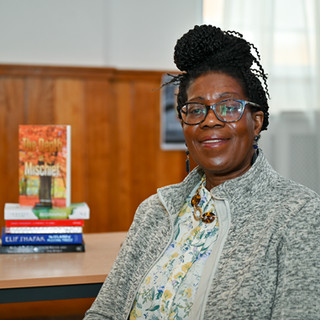
Starting out as a writer can feel like stepping into a vast, uncharted world. The excitement of creating something new is often mixed with uncertainty about where to turn for guidance, encouragement, and practical help. If you are embarking on your writing journey in the UK, finding the right support can make all the difference. This post explores how to navigate the landscape of resources, communities, and opportunities designed specifically for new authors. Whether you are drafting your first novel, penning poetry, or crafting non-fiction, the right support network can empower you to grow and succeed.
Understanding the Importance of Support for First-Time Writers
Writing is often seen as a solitary pursuit, but the truth is that no author thrives in isolation. Support for first-time writers is crucial because it provides:
Motivation and encouragement when self-doubt creeps in.
Constructive feedback to improve your craft.
Networking opportunities to connect with peers and industry professionals.
Access to resources such as workshops, grants, and publishing advice.
Without these, many promising writers struggle to find their voice or reach their audience. I have witnessed how a simple conversation with a fellow writer or a well-timed workshop can transform a hesitant beginner into a confident storyteller.
Practical Ways to Find Support
Join local writing groups or online communities.
Attend literary festivals and book fairs.
Participate in writing workshops and courses.
Seek mentorship from experienced authors.
Explore funding and grant opportunities for new writers.
Each of these avenues offers a unique form of support, and combining several can create a robust foundation for your writing career.

Navigating the UK’s Writing Support Landscape
The UK boasts a rich tradition of literature and a vibrant community of writers. For new authors, this means access to a variety of organisations and initiatives dedicated to nurturing talent. Some key places to explore include:
The Society of Authors: Offers advice, grants, and networking events.
National Centre for Writing: Provides workshops, residencies, and mentoring.
Arvon Foundation: Runs residential writing courses in inspiring locations.
Local libraries and cultural centres: Often host free or low-cost writing groups.
These organisations understand the challenges faced by first-time writers and tailor their support accordingly. For example, the Society of Authors has specific grants aimed at debut novelists, helping to alleviate financial pressures during the creative process.
How to Choose the Right Support
Ask yourself:
What stage am I at in my writing journey?
Do I need feedback, technical skills, or publishing advice?
Am I looking for in-person interaction or online flexibility?
What is my budget for courses or memberships?
Answering these questions will help you focus on the support that best fits your needs. Remember, the goal is to build a network that encourages growth without overwhelming you.
Building Your Own Writing Community
While established organisations are invaluable, creating your own circle of support can be equally powerful. This might mean:
Starting a local writing group.
Connecting with writers on social media platforms.
Collaborating on projects or anthologies.
Sharing resources and experiences.
A community built on mutual respect and shared goals can provide ongoing motivation and accountability. I have found that even informal groups, meeting monthly in a café or online, can spark creativity and sustain momentum.
Tips for Creating a Supportive Writing Group
Set clear goals and expectations.
Encourage honest but kind feedback.
Celebrate each other’s successes.
Share opportunities and resources.
Keep meetings regular and focused.
Such groups often become a lifeline, especially during challenging phases of the writing process.

Leveraging Digital Resources and Online Platforms
In today’s digital age, support for new authors is not confined by geography. Online platforms offer:
Writing courses and webinars.
Forums and critique groups.
Publishing and marketing advice.
Virtual book launches and readings.
These resources are particularly useful for those who cannot easily access physical events or prefer the flexibility of learning at their own pace.
Recommended Online Resources
Writing.ie: Offers articles, courses, and a supportive community.
The Writers’ Workshop: Provides manuscript assessments and editorial services.
NaNoWriMo (National Novel Writing Month): Encourages writers worldwide to complete a novel in a month, with active forums and local meetups.
Using these tools can complement your offline activities and broaden your horizons.
Taking the Next Step: From Manuscript to Publication
Once your manuscript is ready, the journey continues with finding the right path to publication. This stage can be daunting, but support is available:
Literary agents and publishers: Many offer submission guidelines and advice.
Self-publishing platforms: Provide tools and communities for independent authors.
Book marketing workshops: Teach how to promote your work effectively.
Understanding the options and preparing accordingly can increase your chances of success. Remember, every published author started where you are now.
If you want to explore more about support for new authors uk, you can visit this helpful resource.
Embracing the Journey Ahead
Writing is a journey filled with highs and lows, but with the right support, it becomes a rewarding adventure. Whether you seek formal mentorship, peer feedback, or simply a place to share your passion, the UK offers a wealth of opportunities. By actively engaging with these resources, you not only improve your craft but also join a community that values and celebrates the written word.
Keep writing, keep connecting, and remember - every great author was once a first-time writer seeking support.
Ready to take your writing to the next level? Explore local groups, online platforms, and national organisations today. Your story deserves to be heard.


Comments